
 Sanwa Fertilizer · 4 Oct 2026 · 2 min read
New in Our Lineup: Akitakomachi R, a Rice Variety Bred for Lower Cadmium Uptake
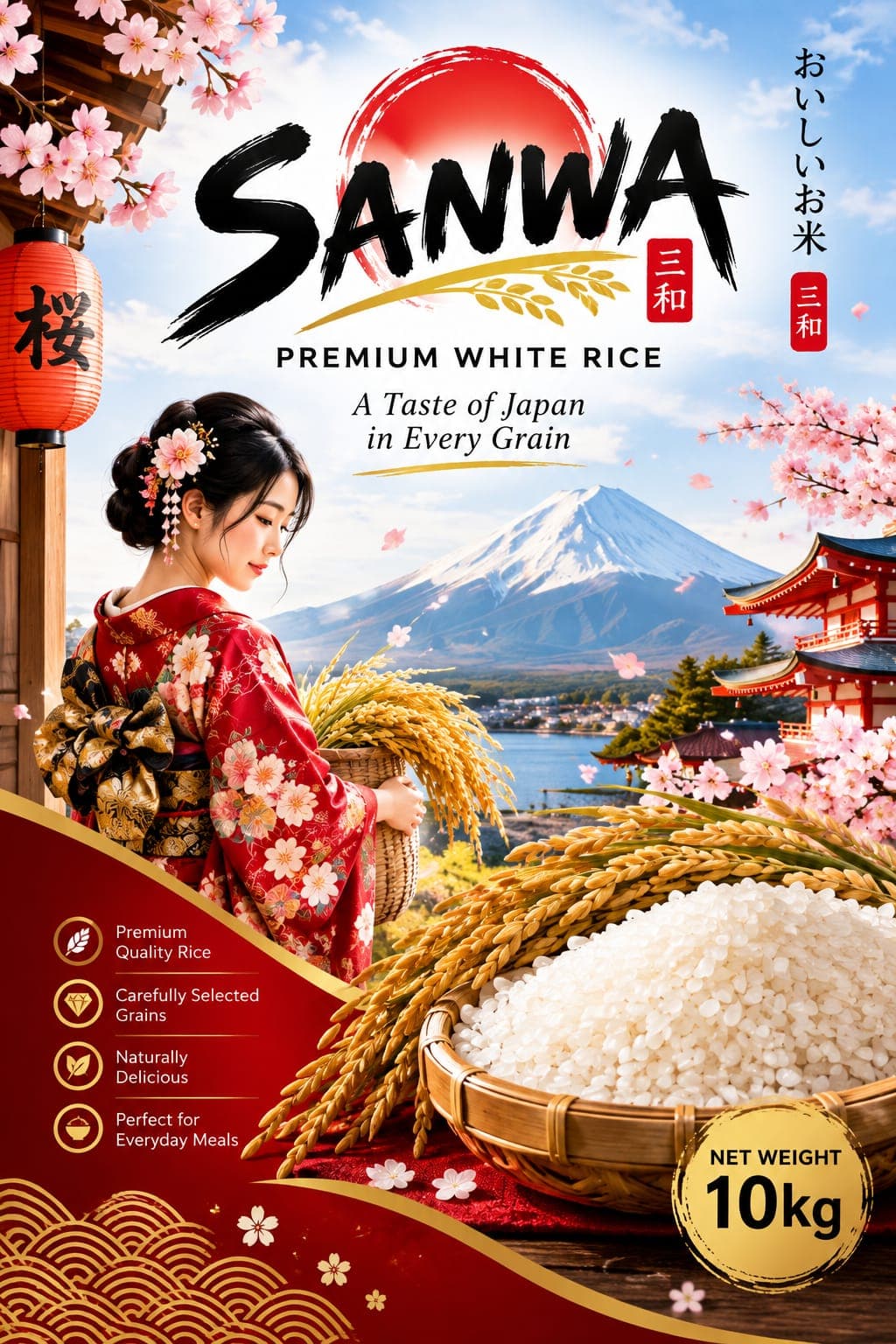
A New Line for Us: Rice
Until now we have worked with pig, cow and chicken manure composts and pellets, urea, our compound fertilizer, and imported coconut husk chips and coco peat. We are now preparing to add something new to the lineup: rice. The variety we are bringing in is Akitakomachi R, a rice known for tasting good even after it has gone cold.
It might seem like an odd step for a fertilizer works. But we have spent years thinking about soil, and the soil is where rice comes from. Selling the grain itself, grown from the kind of ground we help build, felt like a natural next step rather than a departure.
What Akitakomachi Is
Akitakomachi is a variety bred in Akita Prefecture. The grains hold their shape and flavour well, even once the rice has cooled. That is one reason it shows up so often in bento boxes, onigiri, and food served at festivals and events, where rice sits for a while before it is eaten.
What Akitakomachi R Adds
Akitakomachi R is a line developed from Akitakomachi, bred to reduce how much cadmium the plant takes up from the soil. Rice is one of the crops that absorbs cadmium from soil relatively readily, and breeders and growers have worked on this problem for a long time, through both plant breeding and field management. Akitakomachi R is one result of that breeding work.
We do not yet have the figures on hand that show exactly how much lower the uptake is, or the testing behind that claim. We will review the supplier's documentation once stock arrives and share what we can confirm, rather than quote numbers now that we have not seen ourselves.
Why a Fertilizer Works Cares About Cadmium
Working with compost and soil amendments, we see every day how soil pH and organic matter management affect how cadmium and other trace elements move through soil. Breeding a variety that takes up less cadmium is one half of the picture. Managing the soil it grows in is the other half. Neither does the whole job on its own.
Taking on rice lets us show customers the result of soil work in a form they can actually eat, rather than only in bags of compost or pellets.
Good for Bento and Onigiri
The fact that it tastes good cold matters beyond the home table. It is useful for school lunches, packed lunches for work, and onigiri served at events, where the rice is often eaten well after it was cooked. For anyone who wants rice that holds up both freshly made and later in the day, Akitakomachi R is worth considering.
What Comes Next
We are still in the preparation stage for bringing in Akitakomachi R. Arrival timing, pricing, and how we will sell it (brown or polished, bag sizes) are not yet settled. We will post an update on this site once those details are confirmed.
A Note to Our Customers
Rice is new ground for us. For customers who already use our composts, pellets, urea or compound fertilizer, we hope you will get a chance to taste what sits at the other end of that work. We will share details as soon as they are settled.